Every parent in Adelaide eventually encounters a moment that makes the heart miss: a toddler coughing after a grape slips the upside-down, a scald from a favorite, a youngster wheezing on a spring day. The question is seldom whether an emergency will certainly happen, but when. The bright side, learned over years of training family members across the metro area and the Adelaide Hills, is that sensible first aid, done early and done well, modifications end results. It acquires time, relaxes panic, and, in many cases, conserves a life.
Why functional first aid matters much more here than you think
Adelaide families invest a lot of time near water, from yard pools to weekend breaks at Henley or Glenelg. Summer heat increases dehydration, burns, and warmth illness. Our suburban areas and hillsides share area with snakes and spiders. Grandparents often help with childcare, which suggests mixed ages in your home and the likelihood of someone balancing medicine. Paramedics do excellent work, but the minutes prior to sirens matter. First aid training in Adelaide closes that gap.
When parents complete an Adelaide first aid course, the most significant shift I see is confidence. A certain parent notices risk previously, grabs the appropriate tool, and does the basic steps, consistently, while aid gets on the method. You do not need to be ideal. You do require to start.
The initially 60 seconds: a reliable mental checklist
In the very first min, lean on the DRSABCD series that Australian fitness instructors instruct. Clear danger initially, for you and the youngster. Look for an action, even a groan or a blink. Send out for help early, either by asking somebody to call 000 or using your phone on audio speaker. Open up the airway by delicately turning the head back for older kids or keeping it neutral for babies, after that look, pay attention, and feel for breathing. If they are not breathing usually, begin CPR. If a computerized external defibrillator neighbors at an area location, send someone for it and utilize it as quickly as it gets here, following voice prompts.
In sensible terms, it sounds easy due to the fact that it has to be. The intricacy comes later. You begin with security, wakefulness, assistance, air passage, breathing, and circulation, in that order, and you maintain going till an experienced -responder takes control of or the child recovers.
Paediatric CPR you can actually do
CPR looks different on tiny bodies. Concentrate on good-quality compressions, reliable breaths, and very little interruption.
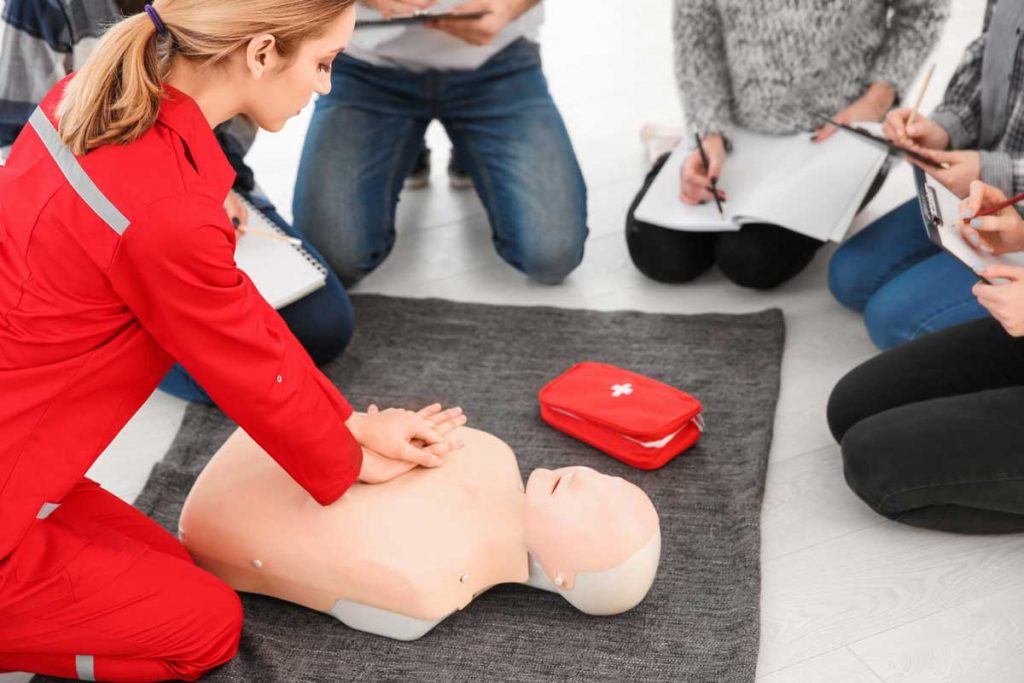
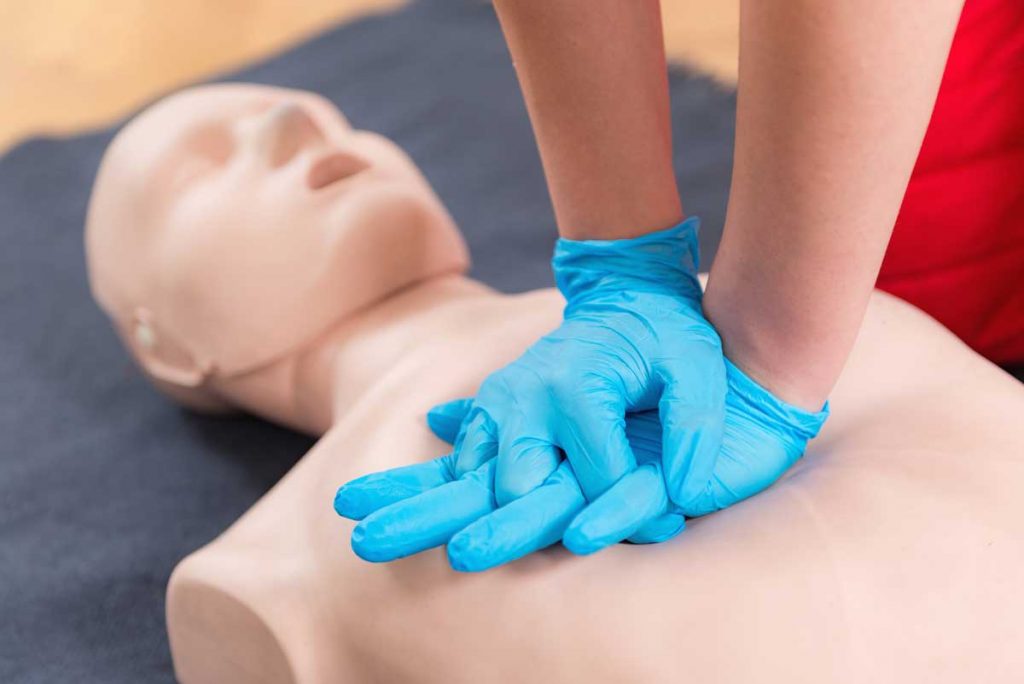
For babies under one year, area 2 fingers in the centre of the upper body, simply below the nipple area line. For a single rescuer, aim for at the very least one third of the breast deepness with each compression at a price of about 100 to 120 per min. For two rescuers, covering hands around the breast and using 2 thumbs typically offers better depth. For children over one year, make use of 1 or 2 hands depending on their dimension, still targeting one third upper body deepness. Allow complete chest recoil between compressions and switch over rescuers when possible every couple of minutes to maintain quality.

Breaths matter, particularly in sinking, asthma, or poisoning. Seal around the mouth for older youngsters, or mouth and nose for babies, and deliver mild breaths just enough to make the breast rise. Way too much air can blow up the belly and get worse throwing up. If you are express cpr Adelaide alone, follow the basic rhythm you found out in your cpr course Adelaide, and do not stop compressions for longer than required to give two effective breaths.
AEDs are safe for youngsters. If paediatric pads are available, use them and follow the positioning diagrams. So adult pads are readily available, make use of those and place them so they do not touch, typically one in the centre of the upper body and the various other on the back in between the shoulder blades for kids. Transform the tool on and follow the voice triggers. Defibrillators in Adelaide sports clubs and shopping center are developed for laypeople, which is precisely who uses them to great effect.
Choking: what really works
Most choking episodes solve with coughing, and that is an excellent indicator. Encourage the coughing and do not smack a kid on the back while they are coughing properly. If the cough comes to be quiet or the youngster can not talk or take a breath usually, act. In Australia the advised technique is back impacts complied with by breast drives, not stomach thrusts.
For babies, support the baby face down along your forearm, head lower than the chest. Deliver up to 5 firm back blows in between the shoulder blades. If the obstruction persists, turn the baby onto their back, maintaining the head lower, and quit to 5 breast thrusts in the same area you would do CPR compressions, slower and sharper. Keep cycling between collections of back blows and chest drives up until the air passage gets rid of or the infant ends up being unresponsive. If less competent, call 000 and start CPR.
For youngsters over one year, make use of the very same sequence, with the kid either leaning ahead sustained on your knee or standing and braced. Deliver up to five back blows, after that approximately five breast drives on the lower half of the sternum. Abdominal drives can create injury and are not component of standard Australian guidance.
It is common for a youngster to throw up or cough up mucous and splits once the blockage gets rid of. That is not a complication, it is alleviation. If the item does not come out and the kid is deteriorating, call 000 early.
Burns and scalds at home
In Adelaide kitchens one of the most regular wrongdoer is a favorite or immediate noodles tugged off a bench. The therapy is basic and potent: cool down the melt under great running water for 20 mins. You have up to three hours where this still helps, yet sooner is much better. Strip off jewelry and garments that is not stuck to the skin. Do not utilize ice, oils, butter, or creams.
Cover the cooled shed with a clean, non-adhesive clothing or clean plastic stick movie, split freely as opposed to wrapped securely. Discomfort alleviation like paracetamol or advil is reasonable if the youngster can ingest and is not vomiting. Any kind of burn larger than the youngster's palm, any kind of burn on the face, genitals, or a joint, or any kind of electrical or chemical shed is entitled to medical evaluation. For chemical burns, brush off dry powders carefully, then irrigate with running water for a very long time. Take the chemical container or a photo of the tag if safe.
Allergies and bronchial asthma are common, and strategies save lives
South Australian child care solutions use activity plans, and so need to homes. If your child has asthma, keep a reducer and a spacer in the exact same location in the house and in the daycare bag. A practical technique for moderate asthma signs and symptoms is 4 separate puffs of salbutamol through a spacer, with the child taking four breaths for each smoke. Wait 4 minutes. If there is no renovation, give one more four puffs and call 000 if the kid is battling to speak, has blue-tinged lips, or is not improving.
For allergy, anaphylaxis offers with breathing difficulty, tongue or throat swelling, hiss, relentless cough, wooziness, collapse, light and saggy in infants, or extensive hives with any one of the above. Utilize the adrenaline autoinjector at the outer mid-thigh through garments if needed. Lay the youngster flat or hold an infant flat in your arms, not upright. Keep in mind the time, phone call 000, and be prepared to use a 2nd tool after five minutes if symptoms continue or worsen. Antihistamines soothe hives yet do not treat anaphylaxis. After an occasion, ask your general practitioner for a composed strategy and technique utilizing an instructor tool with sitters and grandparents.
Fevers, febrile seizures, and when not to panic
Fever is a signs and symptom, not a diagnosis, and in children it is typically a sign of a viral illness. Teething does not create high fever. Deal with the kid, not the number on the thermostat. Offer fluids, keep clothes light, and consider paracetamol for comfort. A febrile seizure looks terrifying, but many last much less than 2 minutes and stop on their own. Maintain the youngster secure on their side, do not put anything in their mouth, time the seizure, and call 000 if it lasts longer than 5 minutes, the kid has trouble breathing afterward, or this is the initial episode.
Trust your impulses. A youngster that is unusually sleepy, breathing quick, or refusing to consume requirements assessment also if the temperature level is modest.
Drowning and near-drowning
Backyard pools, dams in the Hills, and coastline days create risk. Drowning is quiet and fast. Toddlers can slip under in 20 seconds. Guidance continues to be the most effective prevention, and obstacles make a distinction. If a kid is pulled from water and is not taking a breath typically, begin CPR. Rescue breaths are especially crucial in drowning since the primary issue is absence of oxygen. If you have the training and air passage devices nearby, use them, but do not postpone compressions and breaths while browsing. Any kind of kid who has actually had a hard time in water and later establishes cough, quick breathing, or sleepiness ought to be clinically assessed the same day. The preferred expression "dry drowning" is misdirecting. What matters is respiratory signs and symptoms after submersion, which can intensify over hours.
Bites and stings around Adelaide
Snakes, primarily brownish and red-bellied black, are a fact on the edges and in parks. If bitten, maintain the individual still. Apply a pressure immobilisation plaster from the fingers or toes up past the bite site, after that splint and maintain them at remainder. Do not clean the bite, as venom on the skin assists identify the types. Call 000. Do not reduce, suck, or apply a tourniquet. The same pressure immobilisation strategy applies to blue-ringed octopus or cone covering hurts, though those are rare on our beaches.
Redback crawler attacks cause substantial pain, sweating, and queasiness yet are usually not harmful. Make use of an ice bag covered in a cloth for pain and look for clinical suggestions. Do not use the pressure immobilisation method for redback attacks, as it can increase pain. For bee and wasp stings, scratch the stinger off if noticeable, apply a cold pack, and expect indications of anaphylaxis. Bluebottle jellyfish periodically wash right into city coastlines. Rinse away arms and immerse the location in hot water, around 40 to 45 degrees, for 20 mins, or use a hot shower. Vinegar does not help bluebottle stings in southerly waters.
Poisoning and medications: numbers you need to save
Curiosity comes to a head in between ages one and 4. Maintain medications and chemicals high and locked, not contemporary of sight. Initial containers with child-resistant caps help, however little hands are resourceful. If a youngster swallows a mystery pill, a mouthful of cleaner, or a plant you do not recognise, do not await signs. Call the Poisons Information Centre on 13 11 26 for advice particular to Australia. They will ask the kid's age and weight, what was taken, and just how much time has actually passed. If the youngster is drowsy, vomiting constantly, having a seizure, or struggling to take a breath, call 000.
Activated charcoal is not a home remedy. Syrup of ipecac has no role. Milk does not neutralise chemicals. Do not generate vomiting.
Head injuries, neck injuries, and busted bones
Children loss. Most head knocks cause absolutely nothing even worse than a swelling and a fright. Usage rest, monitoring, and an ice bag. Warning consist of a loss of awareness that lasts more than a few seconds, duplicated throwing up, a serious or worsening headache, confusion, weak point, a seizure, or clear liquid from the nose or ears. In these situations, seek urgent treatment. Stay clear of contact sporting activity for a minimum of 24 to 48 hours after a concussion, longer if symptoms persist, and obtain clearance prior to going back to play.
For suspected cracks, stable the arm or leg in the position found, use a sling or improvisated splint, and apply a cold pack. Do not try to straighten deformities. Control bleeding with direct stress. For feasible neck or back injuries after a considerable loss or accident, keep the child still, support the head in accordance with the spine, and call 000.
When to call 000 without hesitation
- Breathing trouble, noisy breathing, or lips transforming blue Severe bleeding that does not quit with pressure Seizure enduring longer than five minutes or duplicated seizures Suspected anaphylaxis after a sting, food, or medication Unresponsiveness, even if quick, or a kid who is difficult to wake
If you are not sure, call anyhow. Educated call-takers in South Australia will coach you via first aid while aid is on the way.
Build a straightforward family first aid plan
A created strategy lowers tension. Go through common scenarios, determine who calls 000, and note your road access points. Save emergency contacts in every caregiver's phone and stick a checklist on the refrigerator with your address, local cross road, GP, and Poisons Info Centre. Program older children how to utilize speakerphone and state the address plainly. If a pool gets on the home, check entrances and latches at the start of each summertime and after tornados. If you camp in the Adelaide Hills or on the Fleurieu, find out the pressure immobilisation method and maintain a number of elasticised plasters in the car.
What to keep at home
A package you can reach one-handed, labelled and tidy, beats a gigantic bathtub hidden under sporting activities gear. For families, aim for fewer, much better things you recognize how to use.
- Adhesive dressings, clean and sterile pads, and a number of big non-adhesive shed dressings Two elasticised roller bandages ideal for pressure immobilisation and sprains Saline ampoules, a digital thermometer, and blunt-ended scissors A room blanket, triangular bandage, and a tiny lantern or headlamp A spacer for asthma puffers, paracetamol dosed for your youngster's weight, and an antihistamine
Check expirations every 6 months, particularly after summertime when things migrate to coastline bags and cars.
Learning that sticks: choosing first aid training in Adelaide
Parents have alternatives. Search for first aid training Adelaide and you will certainly find weekday and weekend courses across the CBD, north and southern, and in the Hills. Search for an Adelaide first aid course that especially covers babies and youngsters, with reasonable scenarios. Solid service providers in the area supply a consolidated first aid and CPR course Adelaide that blends on-line pre-learning with brief, hands-on functional sessions. If time is tight, some organisations promote express first aid Adelaide or express child care first aid Adelaide formats. These compress classroom time by pushing more theory into on the internet modules, then concentrate on abilities personally. That can work well for active parents who still intend to feel breast recoil under their hands and hear AED motivates in genuine time.
If your CPR is corroded, book a cpr refresher course Adelaide every 12 months. Complete first aid certifications typically have a longer recommended update cycle, but abilities fade without practice. You can typically schedule cpr training Adelaide on weeknights, and numerous Adelaide first aid courses bundle CPR at a price cut. If you need your first aid certificate Adelaide urgently for job or offering, try to find same-week schedule or a first aid course in Adelaide that releases an electronic certificate by the next business day. Some organisations even flag their timetables as Fast First Aid or Fast CPR training to highlight short, targeted sessions. Whether it is labelled a Fast First Aid course or a Fast CPR course, ask what hands-on time you will in fact get.
Parents often inquire about brands. You will see names like first aid pro Adelaide in your search results alongside other nationwide and neighborhood service providers. As opposed to focus Adelaide first aid training on logos, check that the course aligns with Australian guidelines, consists of kid and baby components, and provides you prolonged technique on manikins with responses. Review current testimonials for comments on trainer clarity and pacing. If you operate in education or care, verify that the unit codes fulfill South Australian office requirements.
What a good Adelaide first aid course really feels like
Sessions that work for parents are based and useful. Anticipate to:
- Practice DRSABCD out loud, not simply on a worksheet, so your brain reaches for words automatically Rotate with baby and youngster mannequins to discover hand placements and compression deepness by feel Train with pocket masks or face shields for rescue breaths, and use training EpiPens repeatedly till your hands remember the motion Drill choking strategies on a training vest, due to the fact that pressure and angle matter and many people are too gentle at first Work with scenarios secured in regional life, like a yard swimming pool incident, a coastline sting, or a hot-drink scald
The most useful part is the debrief. Good instructors chat through judgment phone calls. When is a cough sufficient to wait and see, and when do you change to back blows? When do you stop cooling down a burn and cover it? What does an asthma attack seem like throughout a room? That nuance remains with you.
Keeping skills fresh at home
Put pointers in your calendar every 3 to six months to assess. Enjoy a short, reputable video on paediatric CPR. Rehearse finding the kit and calling 000 with your partner or older youngster. Examine your youngster's weight and adjust medication application charts. If you are coastal, revisit jellyfish first aid at the beginning of summertime. If you have young explorers, walk through just how you will certainly respond if a brother or sister states the infant is "as well silent" and indicate a room. Short, honest drills beat long lectures.
The self-confidence that changes the room
When something goes wrong at home, children read your face. If you know what to do next, they feel it. First aid and cpr training courses Adelaide do more than hand you a card. They train your hands, tune your judgment, and aid you act while others freeze. The actions are straightforward. The stakes are genuine. Beginning with a course that fits, keep a tidy set, and have the discussions that make your home much safer. Adelaide is a city constructed for households. With a little technique, yours will await the minutes that matter.